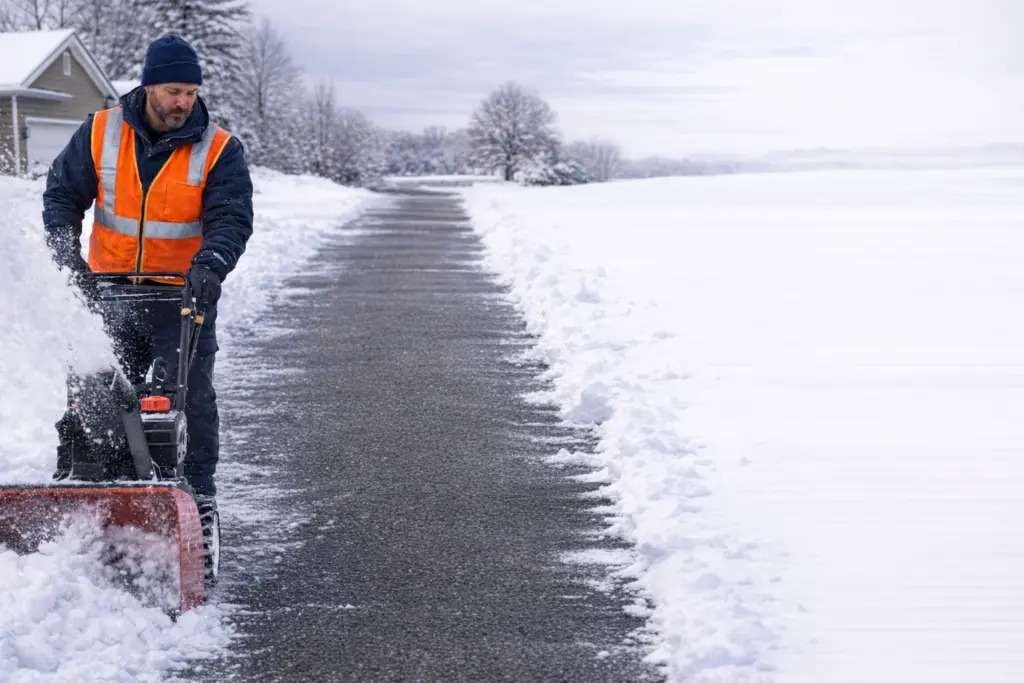
Snow removal costs in Washington can vary depending on snowfall depth, property size, service frequency, accessibility, and the type of snow and ice removal needed. Clearing a small residential driveway is different from maintaining a large commercial parking lot, walkway, or multi-property site.
Use our Washington snow removal cost calculator to get a general idea of what your winter snow service may cost. Your final price will depend on the property, the amount of snow, the equipment required, and the scope of service.
Use your best estimate of the area to be cleared.
Estimated Cost
$0 – $0
This is a rough planning estimate and not a final quote.
How pricing works: Snow Removal Washington connects you with independent local providers — actual pricing is set by each provider and can vary based on property access, storm severity, and equipment used. Use this estimate for planning only.
Ready for a real quote? Get matched with a local provider.
Several factors can influence the cost of clearing snow from your property. Understanding these variables can help you compare estimates and choose the right winter service.
The depth and amount of accumulated snow directly affect the amount of labor and equipment needed. Light snowfall may require a simple clearing, while deeper accumulation can require multiple passes or heavier equipment.
A small driveway requires considerably less work than a large parking lot or commercial property. Larger areas require more time, equipment, and labor to clear properly.
Residential driveways, sidewalks, apartment complexes, commercial properties, and parking lots all have different snow-removal requirements.
Snow plowing, shoveling, snow blowing, hauling, and other removal methods have different labor and equipment requirements. The best method depends on the property’s layout and the amount of snow.
Narrow driveways, steep slopes, tight parking areas, crowded lots, and difficult entrances can require additional time and specialized equipment.
Snow removal may not be the only winter service required. Ice buildup can create slippery walkways, driveways, entrances, and parking areas. De-icing or salt application may be added to improve traction after snow has been cleared.
One-time emergency snow removal is different from a recurring seasonal service agreement. Properties that require service after every qualifying storm may have different pricing than customers requesting occasional clearing.
Residential snow removal can include driveways, sidewalks, steps, walkways, and entrances. Pricing depends on the size of the areas being cleared, snow depth, property layout, and accessibility.
Commercial snow removal typically involves larger areas such as parking lots, access roads, sidewalks, loading zones, and business entrances. Commercial properties may require larger equipment, multiple operators, recurring service, or faster response during significant snow events.
For either property type, the amount of snow, available snow-stacking space, and need for ice treatment can affect the final cost.
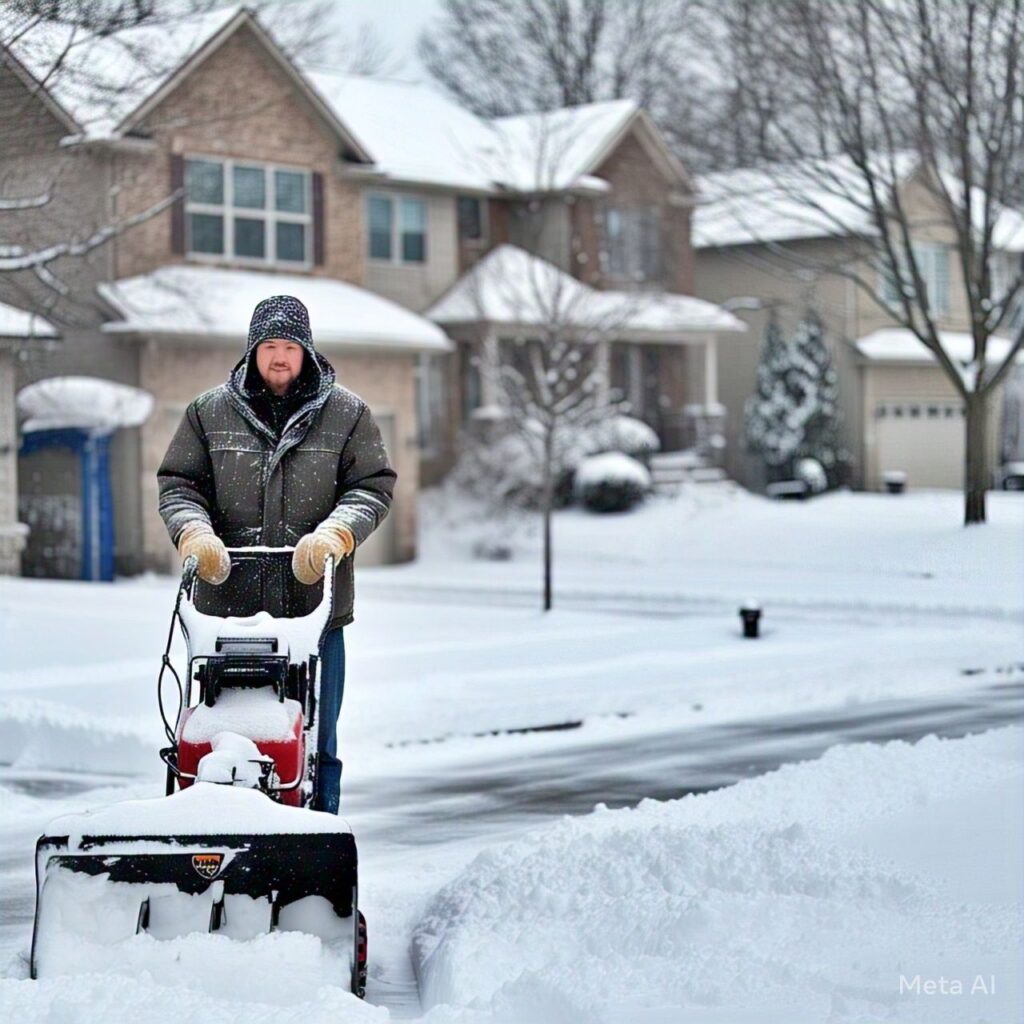
Snow plowing is generally suited for larger open areas where snow can be pushed into designated locations. Hand shoveling and snow blowing are useful for sidewalks, steps, entrances, and areas that larger equipment cannot easily reach.
After snow is cleared, freezing temperatures can leave behind ice that requires salt or another de-icing treatment. Properties without enough room to store accumulated snow may also need snow hauling, where the snow is loaded and transported away.
The total cost for these services depends on the amount of snow, property size, equipment, labor, accessibility, and number of visits required.
Heavy snowfall may require emergency snow removal when a property needs to be cleared quickly. The cost can vary depending on the urgency, snow depth, property size, equipment, and time required to complete the work.
For properties that need ongoing winter maintenance, seasonal snow removal can provide recurring service throughout the winter. A seasonal plan may include snow plowing, sidewalk clearing, ice control, de-icing, and snow hauling based on the property’s needs.
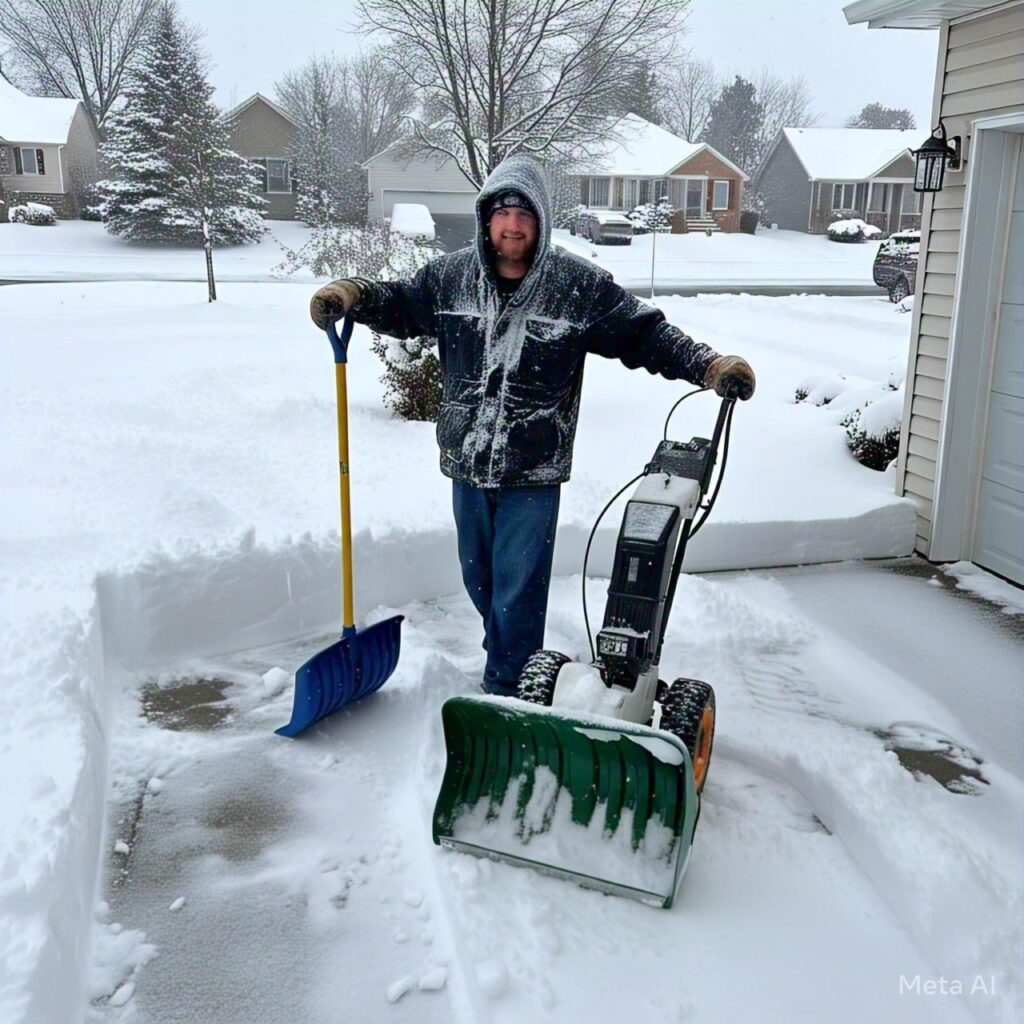
Whether you need residential driveway clearing, commercial snow plowing, sidewalk snow removal, parking lot service, or ice treatment, having a plan in place before the next storm can make winter property maintenance easier.
Snow removal costs vary based on property size, snowfall depth, service type, accessibility, equipment, and frequency. A small residential driveway will generally require a different scope of work than a large commercial parking lot.
Depending on the service, snow removal can include plowing, shoveling, snow blowing, clearing walkways and entrances, and moving accumulated snow to designated areas. De-icing and snow hauling may be offered as additional services.
Yes. Deeper snowfall generally requires more labor, equipment time, and potentially multiple passes. Heavy accumulation can therefore increase the overall cost of clearing a property.
The answer depends on the service agreement and property requirements. Seasonal plans can provide predictable winter service, while one-time service may be more appropriate for occasional needs.
Commercial snow removal pricing depends on the size and layout of the property, required service areas, snowfall, equipment, response requirements, and whether additional services such as de-icing or snow hauling are needed.
Not necessarily. Snow clearing and ice treatment are separate services, although they can often be combined into a winter maintenance plan.
Yes, snow hauling may be necessary when there is not enough room to safely stack accumulated snow on the property. Hauling requirements depend on the amount of snow and available storage space.
Provide the snow removal company with your property type, approximate size, location, typical service areas, and the type of snow or ice service you need. A property assessment can then be used to determine the appropriate equipment and service plan.